
Pakistan-Afghanistan Border Clashes Intensify; Taliban Accuses Islamabad of Shifting Blame

KABUL/ISLAMABAD: Tensions between Pakistan and Afghanistan have escalated along the disputed Durand Line, with Afghan Taliban authorities accusing Islamabad of blaming Kabul for Pakistan’s internal security, administrative and economic failures.
Taliban spokesperson Zabihullah Mujahid criticised the Pakistani government, alleging that it was using accusations against Afghanistan to divert attention from its domestic problems. He also warned that Islamabad’s internal instability and political approach could pose a threat to regional stability across South and Central Asia.
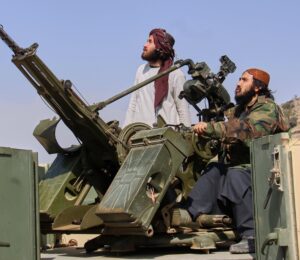
The latest escalation comes amid reports of heavy artillery exchanges near the Kharlachi sector in Pakistan’s Kurram district. Pakistani military officials have accused Afghan forces of providing covering fire to Tehreek-e-Taliban Pakistan (TTP) militants attempting to cross into Pakistan from the Dand-e-Pathan area of Afghanistan.
Pakistan launched military operations under the name Operation Ghazab Lil-Haq following a series of suicide bombings in Balochistan, Khyber Pakhtunkhwa and Islamabad, according to the account provided by Pakistani authorities.
Airstrikes, drone interceptions reported
Pakistan has carried out airstrikes targeting what it describes as militant hideouts and training facilities in Afghanistan. The reported targets include locations associated with the TTP and Islamic State-Khorasan Province in eastern Afghanistan, as well as areas in Kunar and Helmand provinces.
Pakistan has also claimed that it intercepted eight armed drones allegedly launched from Afghanistan towards the Gulistan sector. These claims could not be independently verified.
Earlier diplomatic efforts, including ceasefire arrangements facilitated by Qatar, have failed to deliver lasting calm along the border, with renewed exchanges of fire further straining relations between the two neighbours.
Dispute over Durand Line deepens tensions
The 2,640-km Durand Line, drawn during British colonial rule, remains a longstanding source of friction. Afghanistan’s successive governments have disputed its recognition as an international border, while Pakistan has continued to strengthen border fencing. The Taliban authorities oppose the fencing measures.
Relations between the two sides have deteriorated since the Taliban returned to power in Kabul in 2021. Pakistan accuses the Afghan Taliban government of allowing the TTP to operate from Afghan territory and plan attacks inside Pakistan. Kabul has rejected Islamabad’s allegations.
Casualties and border closures
According to the supplied account, Pakistani forces killed 12 militants and Afghan personnel during retaliatory operations. A Pakistani army junior commissioned officer, Naib Subedar Hidayat Aman, 40, was also reported killed.
In a counter-allegation, the Taliban’s 203 Mansouri Army Corps accused Pakistan of firing 14 ballistic missiles and heavy artillery shells into Afghanistan’s Paktia province. The claims and casualty figures have not been independently verified.
The repeated clashes have disrupted movement through key border crossings, including Torkham, Chaman and Kharlachi, affecting bilateral trade and leaving residents in border areas facing mounting hardship.
With diplomatic efforts yet to secure a durable settlement, the continuing confrontation threatens to deepen the security and economic challenges facing both countries.
