
BRICS backs bigger Global South role, UN reforms and stronger economic cooperation

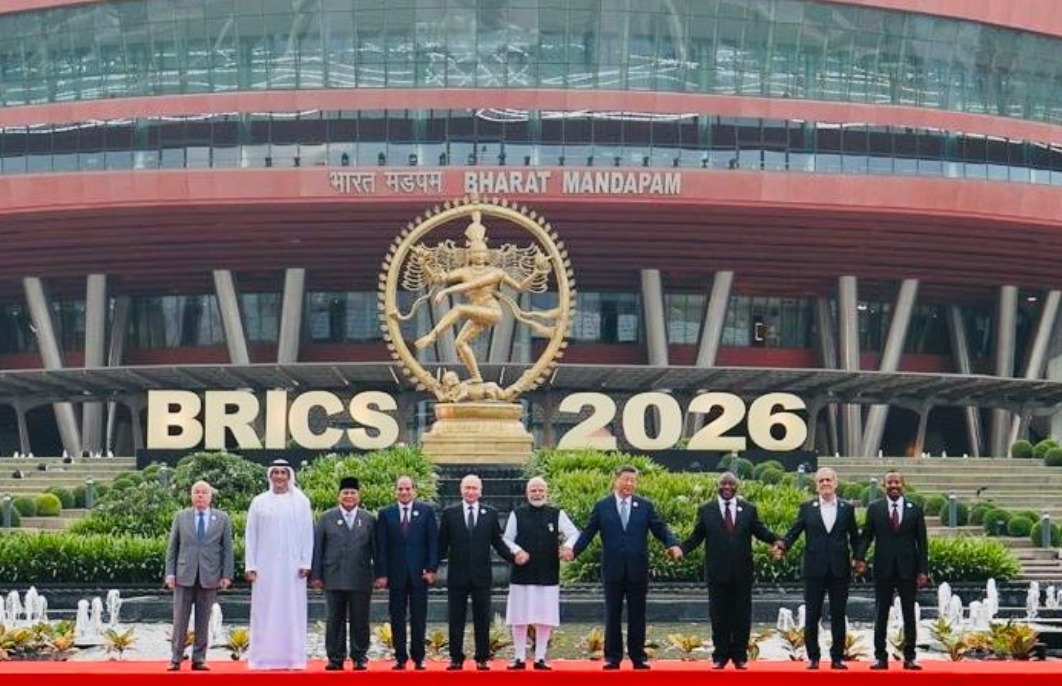
New Delhi: BRICS leaders have called for a more representative global order, greater participation of developing countries in international institutions and deeper economic cooperation, as the grouping marked two decades of partnership at its summit in New Delhi.
In the New Delhi Declaration, adopted at the 18th BRICS Summit, leaders reaffirmed their commitment to multilateralism, sovereign equality, mutual respect and cooperation while seeking reforms to global governance institutions.
Push for UN, financial reforms
The leaders backed comprehensive reform of the United Nations, including the Security Council, to give developing countries a greater voice in global decision-making. They specifically highlighted the aspirations of Brazil and India for a larger role in the UN, including the Security Council.
BRICS also called for reforms to the IMF, World Bank and other Bretton Woods institutions, arguing that their governance structures should better reflect the changing global economy and the growing weight of emerging markets and developing economies.
The declaration also reaffirmed support for a stronger, rules-based multilateral trading system and expressed concern over unilateral tariffs, protectionist measures and trade restrictions that could disrupt global supply chains.
Focus on technology, health and startups
The grouping placed technology and innovation high on its agenda, backing cooperation in artificial intelligence, quantum technologies, digital public infrastructure, cybersecurity and digital skills.
BRICS welcomed initiatives aimed at strengthening startup ecosystems, including the BRICS Incubator Network and further consideration of a Startup Innovation Fund. It also backed greater cooperation among small and medium enterprises and efforts to improve their access to finance and global value chains.
On health, leaders endorsed deeper cooperation on universal health coverage, pandemic preparedness, tuberculosis research, digital healthcare and mental health. They also welcomed a BRICS Network of Centres of Excellence in mental health, with NIMHANS in Bengaluru designated as the coordinating centre.
Climate, energy and security among priorities
The declaration called for stronger implementation of the Paris Agreement, greater climate finance for developing countries and cooperation on climate-resilient development. BRICS also highlighted biodiversity conservation, sustainable forests, water security and disaster preparedness.
On international security, leaders called for disputes to be resolved through dialogue and diplomacy and expressed concern over conflicts and rising military expenditure. They also condemned terrorism and called for stronger cooperation against terrorist financing, cross-border terrorism and organised crime.
The declaration further highlighted cooperation in education, culture, tourism, sport, youth affairs and women’s economic participation, underscoring BRICS’ broader focus on people-to-people ties.
