

New Delhi: The government’s initiatives to promote electric mobility have helped expand electric vehicle adoption, charging infrastructure and domestic manufacturing capacity, according to the Ministry of Heavy Industries.
Under the Faster Adoption and Manufacturing of (Hybrid &) Electric Vehicles in India (FAME India) Phase-II scheme, implemented from April 2019 to March 2024 with a budget of ₹11,500 crore, around 16.72 lakh electric vehicles were supported. The scheme also facilitated the deployment of 5,299 electric buses as of July 31, 2026.
The government allocated ₹912.50 crore under FAME-II for public EV charging infrastructure, with 9,583 charging stations installed under the scheme.
The Production Linked Incentive (PLI) scheme for the automobile and auto component sector, with an outlay of ₹25,938 crore, aims to strengthen domestic manufacturing of advanced automotive technology products, including electric vehicles.
Another PLI scheme for Advanced Chemistry Cell battery storage has an outlay of ₹18,100 crore and targets the creation of a domestic manufacturing ecosystem for 50 GWh of battery capacity. Of this, 40 GWh has been awarded to four beneficiary companies.
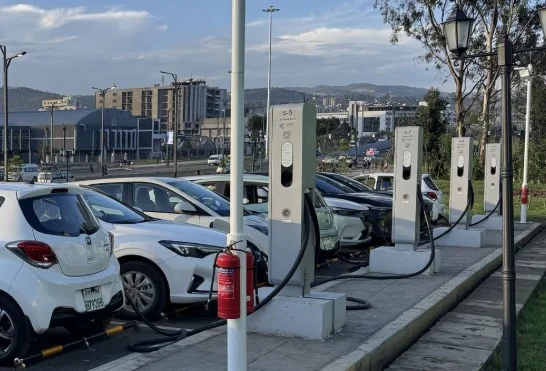
The PM E-DRIVE scheme, launched with an outlay of ₹10,900 crore, supports around 28.30 lakh electric vehicles across categories, including electric two-wheelers, three-wheelers, trucks, buses and ambulances. The scheme also provides ₹2,000 crore for public EV charging stations.
Under the PM-eBusSewa Payment Security Mechanism scheme, 27,555 e-buses were covered as of July 10, 2026, against the broader target of more than 38,000 buses.
The government has also reduced GST on electric vehicles and EV chargers to 5%. Battery-operated vehicles are eligible for green licence plates and are exempt from permit requirements. States have also been advised to waive road tax on EVs to reduce their upfront cost.
