

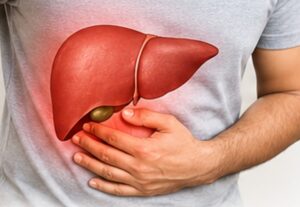
Fatty liver disease, a growing health concern worldwide, occurs when excess fat accumulates in the liver. Experts classify the condition into two main categories — Alcohol-Linked Fatty Liver Disease (AFLD) and Metabolic Dysfunction-Associated Steatotic Liver Disease (MASLD).
AFLD is primarily caused by excessive alcohol consumption. Medical experts say that toxic by-products generated during the breakdown of alcohol can damage liver cells, leading to fat accumulation, inflammation and, in severe cases, scarring of the liver. Early cessation of alcohol consumption can significantly reduce the risk of further liver damage.
MASLD, formerly known as Non-Alcoholic Fatty Liver Disease (NAFLD), is not related to alcohol intake. Instead, it is linked to obesity, type 2 diabetes, high cholesterol, unhealthy eating habits and a sedentary lifestyle. Studies indicate that nearly 30% of the global population may be affected by this condition, making it one of the most common chronic liver diseases worldwide.
Health experts warn that fatty liver disease often develops silently, with few or no symptoms in its early stages. If left untreated, it can progress to Metabolic Dysfunction-Associated Steatohepatitis (MASH), a more serious condition that increases the risk of cirrhosis, liver failure and liver cancer.
Doctors recommend maintaining a healthy weight, following a balanced diet, exercising regularly and avoiding excessive alcohol consumption to protect liver health and reduce the risk of fatty liver disease.
